

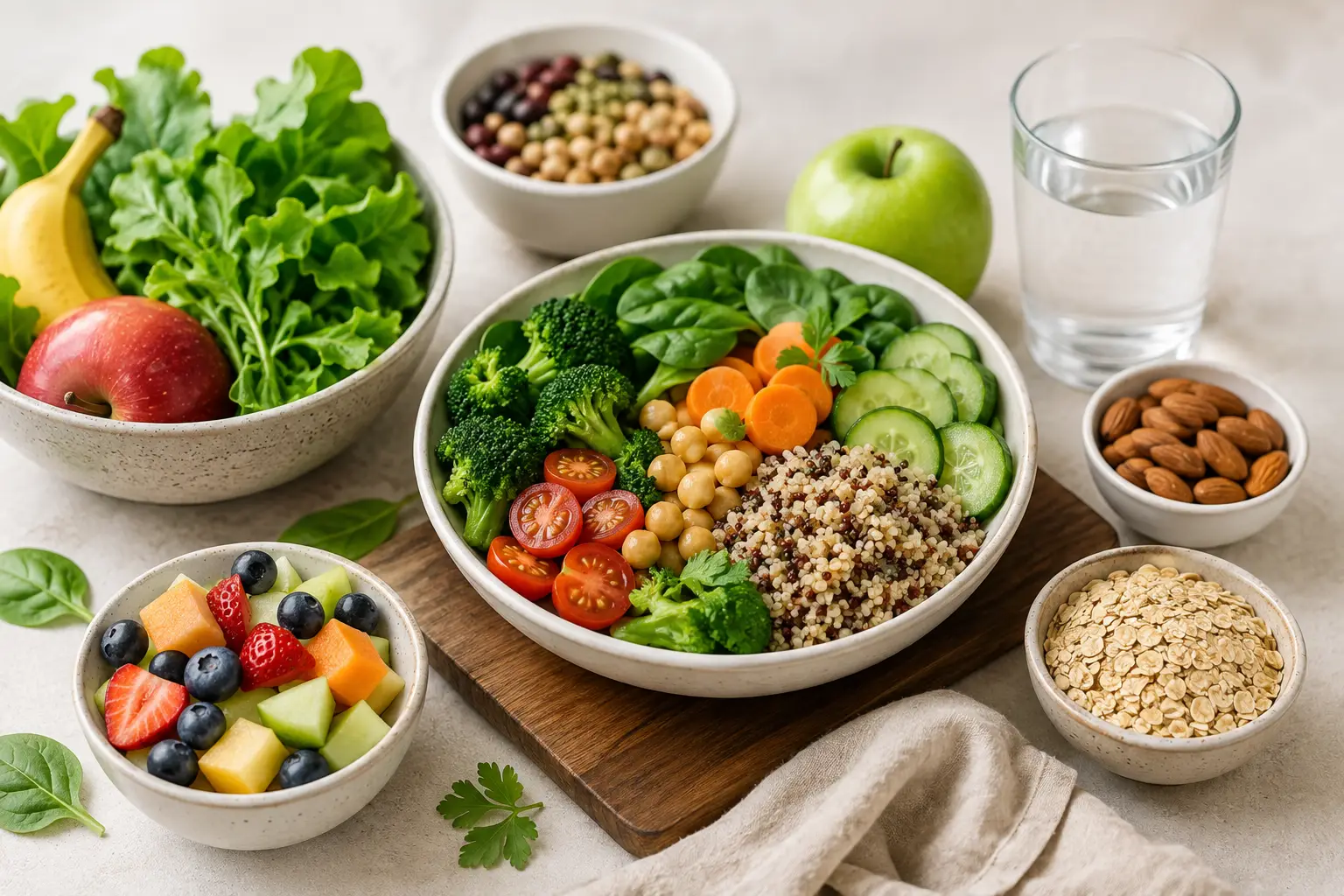
Piles Diet: What to Eat and What to Avoid for Better Bowel Health
A good hemorrhoid diet is less about finding one special food and more about making bowel movements easier. If piles are accompanied by constipation, hard stools or frequent straining, what you eat every day deserves attention.
Fiber-rich foods, enough fluids and regular eating habits can help support softer stools and better bowel regularity. At the same time, a diet dominated by low-fiber processed foods may make constipation harder to manage.
So, what should actually go on your plate when you have piles? Here is a practical way to build your daily diet without making meals unnecessarily complicated.
Why Does Diet Matter When You Have Piles?
Hemorrhoids, commonly called piles, are swollen veins in or around the anus and lower rectum. Several factors can contribute to them, and repeated straining during bowel movements is one of the habits worth addressing.
This is where diet becomes relevant.
If your stool is regularly hard and difficult to pass, you may find yourself sitting on the toilet longer and pushing harder. Improving stool consistency can reduce the need for excessive straining.
A useful hemorrhoid diet therefore focuses mainly on supporting comfortable and regular bowel movements.
It does not need to be a restrictive “piles diet.” In many cases, ordinary foods already available at home can help you improve your fiber intake.
Fiber Should Be the Starting Point
When discussing diet for piles, fiber deserves particular attention.
Dietary fiber is the part of plant foods that is not completely digested by the body. Among its various roles, fiber can help add bulk to stool and support bowel regularity.
However, suddenly eating a huge amount of fiber is not necessary.
If your current diet contains very little fiber, increase it gradually and give your digestive system time to adjust.
Best Foods to Include in a Hemorrhoid Diet
There is no single “best food for piles.” A combination of different fiber-containing foods is a more practical approach.
1. Dal and Other Pulses
Dal is already part of many Indian meals, which makes it one of the easiest places to start.
Lentils, chickpeas, kidney beans and other pulses provide dietary fiber along with other nutrients.
Instead of treating fiber as something you need to buy separately, look at how often pulses appear in your regular meals.
A simple dal with vegetables can fit comfortably into a bowel-friendly eating pattern.
2. Fresh Vegetables
Try to give vegetables a meaningful place on your plate rather than treating them as a small side dish.
Options can include:
- Spinach and other leafy vegetables
- Carrots
- Peas
- Beans
- Broccoli
- Pumpkin
- Sweet potato
- Other seasonal vegetables
You do not need every vegetable on this list.
Choose what is locally available, affordable and suitable for you. Variety over the course of the week matters more than chasing one particular vegetable.
3. Whole Fruits
Whole fruits can contribute useful dietary fiber.
Apples and pears with their edible skin, oranges and other fresh fruits can be incorporated into the day according to availability and individual tolerance.
Whenever practical, choose the whole fruit rather than relying entirely on strained fruit juice because processing can remove or reduce some of the fiber.
4. Whole Grains
If most of your grain intake comes from heavily refined foods, consider adding suitable whole-grain options.
Oats are an easy example for breakfast.
Depending on your normal diet, other whole grains can also provide additional fiber.
Again, the idea is not to suddenly replace everything you eat. Make gradual changes that you can realistically maintain.
5. Beans and Chickpeas
Rajma, chana and other beans can contribute considerably to the overall fiber content of a meal.
However, people who are not accustomed to eating them regularly may experience gas or bloating after suddenly consuming large quantities.
Start with portions that suit you and increase gradually if needed.
What About Water?
Fiber gets most of the attention in a piles diet, but fluids matter too.
Increasing fiber without paying attention to fluid intake may not give you the bowel comfort you are looking for.
Keep water accessible throughout the day and drink according to your individual needs.
There is no need to force excessive quantities of water simply because you have piles. Fluid requirements vary according to weather, physical activity, diet, body size and health conditions.
If a healthcare professional has advised you to restrict fluids because of a medical condition, follow that advice.
Foods to Limit When You Have Piles and Constipation
A common question is: “Which foods should I completely stop eating?”
That question can make piles diet advice unnecessarily stressful.
Instead of creating a long list of forbidden foods, pay attention to foods that contribute very little fiber when they dominate your diet.
Highly Processed Foods
Packaged snacks and heavily processed foods can easily replace more nutritious, fiber-containing options.
Eating one packaged snack does not automatically worsen piles. The bigger issue is the overall pattern.
If most snacks and meals contain very little fiber, maintaining regular bowel movements may become more difficult.
Refined Grain Products
Foods made primarily from refined grains generally contain less fiber than their whole-grain counterparts.
You do not necessarily need to eliminate them completely.
Instead, create better balance by including fruits, vegetables, pulses and suitable whole grains throughout the day.
Too Much Fast Food
Fast food can be convenient, but relying on it frequently may leave little room for fiber-rich whole foods.
If constipation is already a problem, examine how often these meals are replacing vegetables, fruits, dal and other useful foods.
Are Spicy Foods Bad for Piles?
This question comes up frequently.
Spicy food itself is not necessarily the underlying cause of hemorrhoids. However, individual responses differ.
Some people notice that certain spicy meals make digestive or anal discomfort feel worse, particularly when symptoms are already present.
Pay attention to your own response.
If a particular food consistently seems to aggravate discomfort, reducing it temporarily may make sense. There is no need to create a universal rule based on someone else’s experience.
A Simple Indian Piles Diet Example
A practical hemorrhoid diet should fit normal life. It should not require a completely separate menu from everyone else in the house.
Here is an example—not a personalised medical diet plan.
Morning
Start your usual morning with appropriate fluids.
For breakfast, consider something containing whole grains or other fiber-rich ingredients. Oats with fruit is one option.
If your regular breakfast is different, look for a simple way to add fruit or another suitable source of fiber.
Lunch
A balanced lunch could include:
- Roti or another suitable grain
- Dal
- A generous serving of vegetables
- Salad, if suitable for you
- Other components according to your usual diet
The important point is that dal and vegetables should have a real presence on the plate.
Evening Snack
Instead of automatically reaching for a packet of highly processed snacks every evening, consider a whole fruit or another suitable fiber-containing option.
It does not have to happen every single day to make your diet better overall.
Dinner
Keep the same principle.
Include vegetables, pulses or another appropriate fiber source rather than building the entire meal around refined foods.
Individual requirements differ, so people with specific medical or dietary needs should seek personalised advice.
Don’t Turn Your Piles Diet Into a Crash Diet
One mistake is trying to change everything on Monday morning.
Suddenly eating huge bowls of raw vegetables, beans, fruit and bran when your body is not accustomed to much fiber can leave you feeling bloated.
That can make the diet difficult to continue.
A better approach is gradual.
Add a fruit.
Increase the vegetables in one meal.
Include dal more regularly.
Switch one low-fiber snack for a better option.
Then build from there.
The best eating pattern is not the most extreme one. It is the one you can actually maintain.
Diet Is Only One Part of Better Bowel Habits
Food matters, but what happens in the bathroom matters too.
You can improve your diet and still undermine your routine by repeatedly straining or spending unnecessary time sitting on the toilet.
Avoid Excessive Straining
If stool does not pass easily, repeatedly forcing it can increase pressure around the rectal and anal area.
Work on the reasons behind difficult bowel movements rather than simply pushing harder.
Don’t Make the Toilet a Place to Scroll
Leave your phone outside occasionally and notice how much shorter your bathroom visit becomes.
Once the bowel movement is finished, get up.
There is no benefit in remaining seated simply to finish a video or scroll through messages.
Stay Active During the Day
Regular movement is good for general health and can form part of a healthier digestive routine.
Walking is one of the simplest options for many people.
You do not need an extreme workout. The goal is to avoid spending nearly the entire day inactive.
Where Can Ayurvedic Support Fit Into This Routine?
Some people combine dietary and lifestyle changes with Ayurvedic wellness products.
If you are considering herbal support, it should not replace the basics.
Eating a low-fiber diet throughout the day and then expecting a capsule to compensate for constipation is not a particularly sensible strategy.
For people interested in an Ayurvedic formulation, Sehat Ayurveda Herbal PC Piles Capsules combine several herbal extracts, including Haritaki, Neem and Kutaja, among other botanical ingredients.
The product can be considered within a broader wellness routine where appropriate.
Why Haritaki Often Appears in Ayurvedic Digestive Formulations
Haritaki (Terminalia chebula) is a familiar botanical in Ayurveda and has traditionally been used in preparations associated with digestive and bowel wellness.
That traditional use is one reason you may see Haritaki included in various Ayurvedic formulations.
However, no individual herb should be presented as a guaranteed cure for hemorrhoids.
Herbal products should be used appropriately, and persistent symptoms still require medical attention.
What If Changing Your Diet Doesn’t Help?
Give sustainable dietary changes time, but do not use diet as a reason to postpone necessary medical care.
Piles symptoms are not identical for everyone.
More importantly, rectal pain and bleeding are not always caused by hemorrhoids.
Speak with a healthcare professional if symptoms persist, repeatedly return or become worse.
When Should You Seek Medical Advice?
Contact an appropriate healthcare professional if you experience:
- Repeated or unexplained rectal bleeding
- Significant or worsening pain
- Persistent symptoms
- Noticeable changes in bowel habits
- Symptoms that do not improve with basic self-care
Severe anal pain accompanied by bleeding—particularly if abdominal pain, fever or diarrhea is also present—requires prompt medical attention.
Building a Hemorrhoid Diet You Can Actually Follow
A useful hemorrhoid diet does not need expensive supplements or complicated recipes.
Start with the foods already around you.
Put more vegetables on the plate. Eat pulses regularly. Choose whole fruits. Include suitable whole grains. Drink appropriate fluids and gradually reduce the extent to which low-fiber processed foods dominate your meals.
Then look at your bathroom habits.
Are you straining?
Are you spending fifteen minutes scrolling on the toilet?
Are you frequently ignoring the urge to pass stool?
Diet and daily habits work better when you consider them together.
Final Thoughts About Hemorrhoid Diet
The purpose of a hemorrhoid diet is not to promise a cure through food. It is to create eating habits that support comfortable bowel movements, particularly when constipation and hard stools are contributing to the problem.
Fiber-rich foods such as vegetables, fruits, pulses and whole grains are a sensible starting point. Appropriate fluids, physical activity and better toilet habits can complement those dietary changes.
Ayurvedic products such as Sehat Ayurveda Herbal PC Piles Capsules may be considered as part of a broader wellness routine where suitable, but they should not replace a balanced diet or necessary medical care.
Most importantly, pay attention to what your body is telling you.
If pain, bleeding or bowel changes persist, seek medical advice instead of continuing to experiment with food or home remedies on your own.
Frequently Asked Questions Hemorrhoid Diet ?
What is the best diet for piles?
There is no single diet that is best for everyone. A generally useful approach is to include adequate fiber from vegetables, fruits, pulses, beans and whole grains while maintaining appropriate fluid intake.
Which foods are good for piles?
Fiber-containing foods such as dal, chickpeas, beans, vegetables, whole fruits, oats and suitable whole grains can form part of a bowel-friendly eating pattern.
What foods should I avoid during piles?
Rather than completely banning individual foods, avoid allowing low-fiber processed and refined foods to dominate your diet. If a particular food repeatedly aggravates your symptoms, consider reducing it and discuss ongoing problems with a healthcare professional.
Is spicy food bad for hemorrhoids?
Spicy food is not necessarily the cause of hemorrhoids. However, some people find that certain spicy foods aggravate existing discomfort. Individual tolerance varies.
Does drinking water help with constipation and piles?
Appropriate hydration works alongside dietary fiber to support normal bowel function. Water is not a cure for hemorrhoids, and individual fluid requirements vary.
Can I take Ayurvedic capsules while following a piles diet?
A suitable Ayurvedic formulation may be considered alongside healthy eating and bowel habits. If you take medication, have an existing health condition, are pregnant or breastfeeding, or are uncertain about a herbal supplement, seek professional guidance before use.
When should I see a doctor for piles?
Seek medical advice for recurrent or unexplained rectal bleeding, persistent symptoms, worsening pain or significant changes in bowel habits. Do not automatically assume rectal bleeding is caused by piles.